High Street Betting Outlets Experience Significant Closures Following Recent Tax Adjustments
Jonas Sullivan · Aug 15, 2026

High Street Betting Outlets Experience Significant Closures Following Recent Tax Adjustments
The Betting and Gaming Council has released figures showing more than 540 high-street betting shops closed since the previous year's Budget tax changes, with around 4,500 jobs lost in the same period, and observers note these developments add to an ongoing pattern of contraction across the sector.
Data indicates the closures build on longer-term trends that began well before the most recent tax measures, since around 3,000 shops have shut and over 15,000 jobs have disappeared since 2019; those who've tracked the industry point out that integrated retail and online operations now face combined pressures from rising taxes and operational costs that affect both sides of the business.
Details Behind the Latest Figures
The council attributes the recent wave of shop closures directly to the tax changes introduced in the Budget, while it also highlights how these adjustments compound existing cost increases across the sector, and experts have observed that operators with mixed retail and digital platforms feel the strain most acutely because the same tax and cost burdens hit both channels at once.
Figures reveal the pace of decline has accelerated in the months following the Budget announcement, yet the longer view shows steady erosion of the high-street network over several years, and researchers who monitor employment data note that the cumulative job losses since 2019 already exceeded 15,000 before the latest round of closures added another 4,500 positions to the total.
Effects on High Streets and Local Economies
Communities across the UK have seen betting shops disappear from town centres at a faster rate since the tax changes took effect, and those who've studied retail patterns point out that each closure removes a steady source of footfall that previously supported neighbouring businesses such as cafes, newsagents and transport links.
The Betting and Gaming Council has warned that continued pressure on integrated operations could lead to further reductions in both employment and investment, while data from the report shows the combined impact on high streets already includes empty premises that remain vacant for extended periods after betting outlets depart.
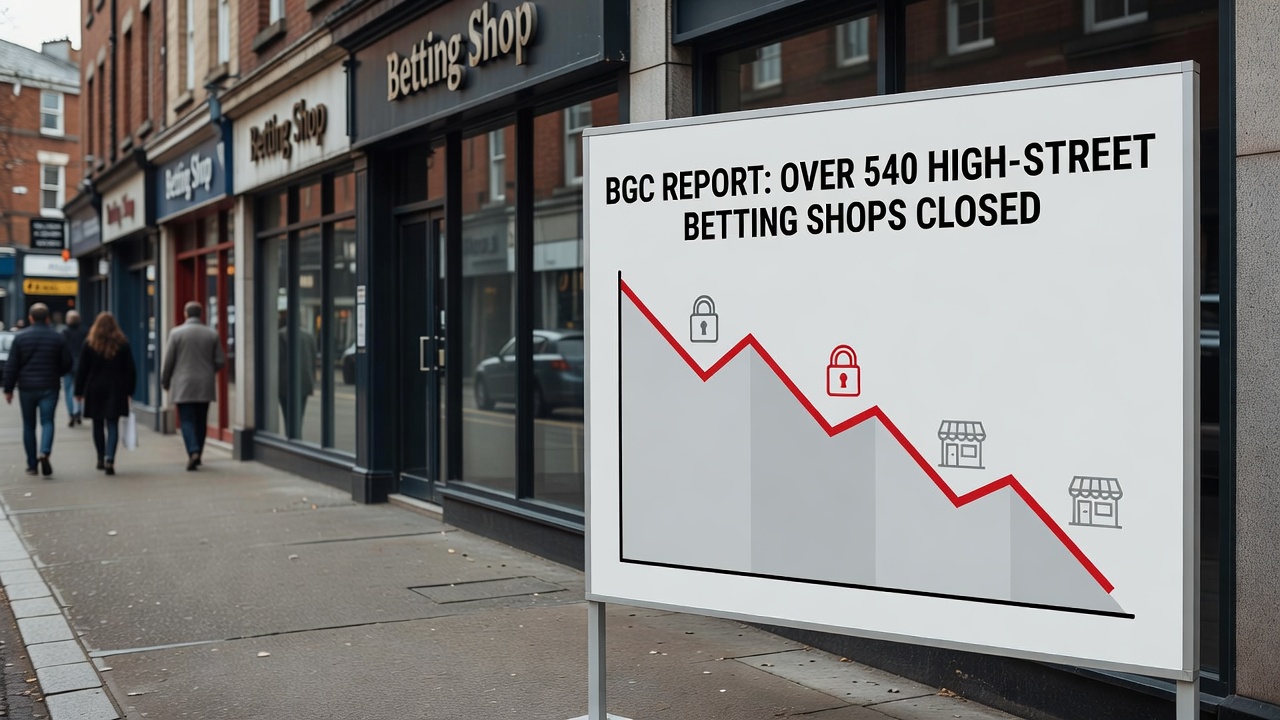
Local authorities have recorded increasing numbers of boarded-up shopfronts in areas where multiple betting outlets once operated, and analysts who examine commercial property data note that these vacancies contribute to a broader sense of decline that affects property values and regeneration plans in the same neighbourhoods.
Industry Response and Forward Outlook
Operators have responded to the tax environment by reviewing their retail footprints, and the council's statement indicates that further adjustments remain likely if costs continue to rise without corresponding relief measures, while the same pressures apply to both physical locations and the online platforms that share the same corporate structures.
The report links the job losses to decisions made at head-office level where integrated businesses balance tax liabilities across retail and digital arms, and observers note that this structure means changes in one area quickly influence staffing and investment decisions in the other.
Timeline of Shop and Job Reductions
Between 2019 and the previous year's Budget the sector already recorded around 3,000 shop closures and more than 15,000 job losses, yet the additional 540 closures and 4,500 positions lost since the Budget demonstrate an acceleration that the council ties specifically to the latest tax adjustments, and those monitoring the figures point out the combined totals now exceed 3,500 shops and 19,500 jobs since the start of the decade.
August 2026 marks another checkpoint in this ongoing contraction, because the cumulative effects of the tax changes continue to influence operational planning across the industry, and data released by the council shows no immediate reversal in the trend of shop and employment reductions.
Conclusion
The Betting and Gaming Council report presents a clear picture of accelerated closures and job losses tied to Budget tax changes on top of longer-running declines, and the figures underscore how rising costs affect both high-street outlets and the integrated online operations that share the same business frameworks, while warnings about future impacts on jobs, high streets and investment remain central to the council's assessment of the current environment.
Those following the sector will continue to track further updates from the same source as operators adjust to the sustained cost pressures that the data now quantifies in both shop numbers and employment totals. The full report provides the detailed breakdown behind these headline statistics.