From Novice to Analyst: Community Workshops Crafting Bespoke Strategies for Exchange Trading Success
Ben Schwarz · Aug 12, 2026
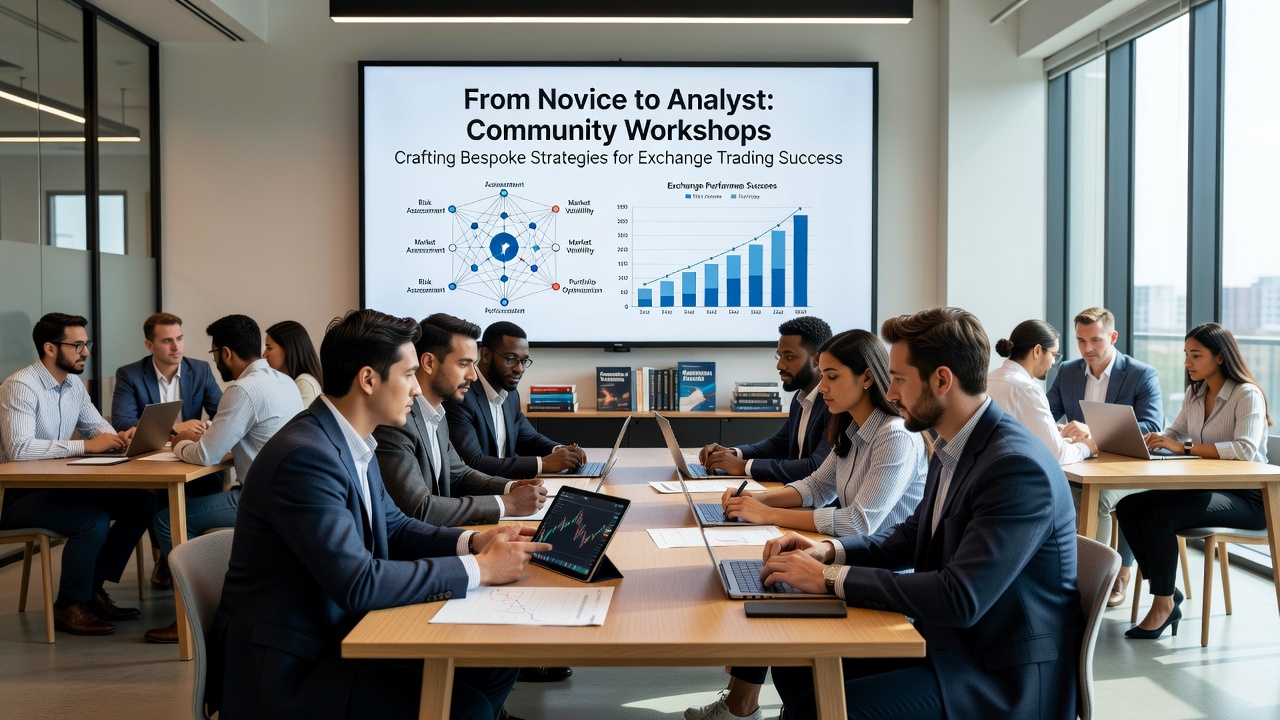
From Novice to Analyst: Community Workshops Crafting Bespoke Strategies for Exchange Trading Success
Community workshops focused on exchange trading have expanded rapidly in recent years, and participants move from basic market awareness toward structured analytical roles through guided sessions that emphasize custom strategy development; these programs combine live market simulations with peer review cycles that allow novices to test approaches across multiple asset classes while refining entries and exits based on real-time data feeds.
Workshop Structures and Participant Pathways
Organizers design multi-week curricula that start with core mechanics of order matching and liquidity dynamics before progressing to bespoke modeling techniques, and attendees often begin by mapping historical price patterns onto current order book depth charts so they can identify repeatable setups without relying on generic signals. Sessions typically run in hybrid formats that accommodate remote contributors, and facilitators incorporate case reviews drawn from past trading cycles to illustrate how small adjustments in position sizing alter overall risk exposure across different volatility regimes.
By the midpoint of most programs, participants form small working groups that collaborate on individualized playbooks, and these documents incorporate variables such as time-of-day liquidity shifts and correlation breakdowns between related instruments, which helps each person build a framework tailored to their available capital and session duration. Data from industry tracking services shows enrollment in such workshops rose steadily through the first half of 2026, with noticeable increases reported ahead of the August schedule when several major sporting calendars overlap with financial market events.
Tools and Techniques Introduced in Group Settings
Facilitators introduce participants to open-source charting packages and custom scripting environments that pull live exchange feeds, and attendees learn to layer conditional alerts onto order book imbalances rather than depending solely on price action triggers. One recurring exercise requires groups to backtest strategies across at least three distinct market regimes, after which members present findings and receive structured feedback on statistical robustness and execution feasibility.
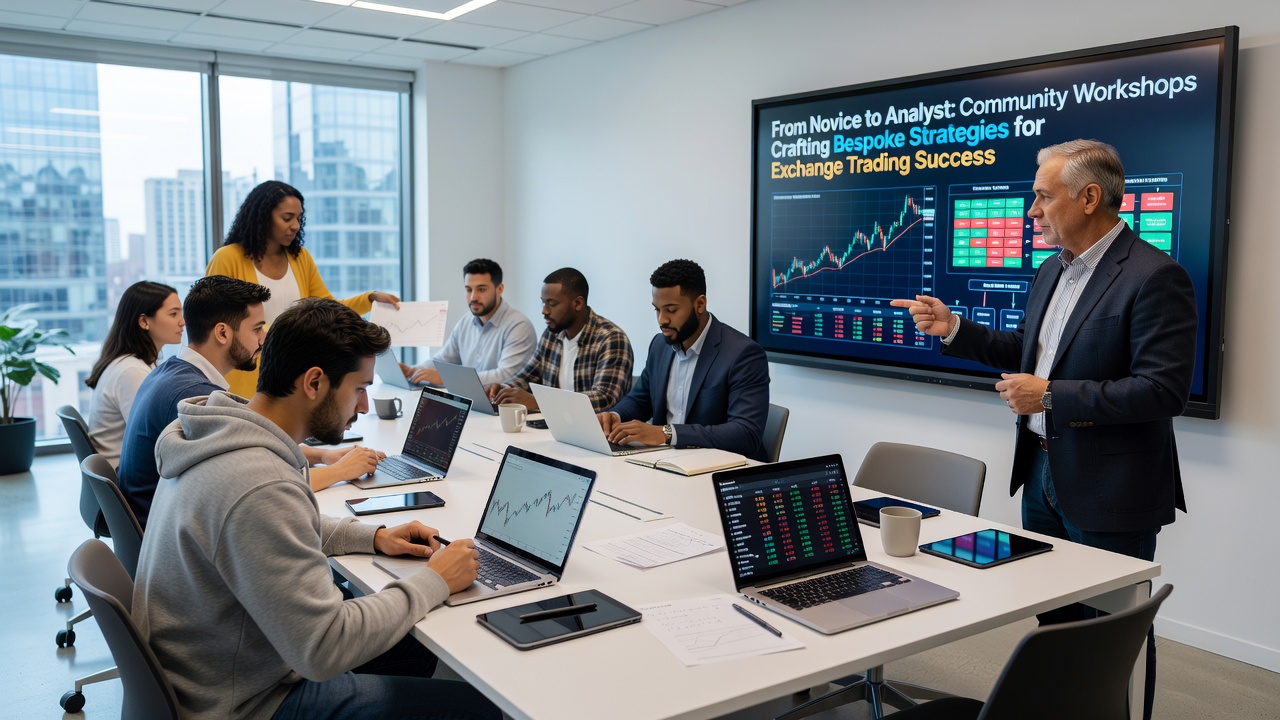
Workshops also cover position management protocols that integrate stop placement with partial profit targets, and participants practice scaling exposure based on observed liquidity clusters rather than fixed percentages. According to figures compiled by the National Council on Problem Gambling, educational initiatives that pair technical instruction with peer accountability mechanisms have documented higher retention rates among new entrants compared with self-directed study alone.
Regional Variations and August 2026 Developments
Programs operating in European and North American time zones have adopted staggered start dates to accommodate overlapping regulatory reporting windows, while Australian providers align sessions with local exchange hours to capture overnight liquidity moves. In August 2026 several workshops incorporated additional modules on cross-market hedging after preliminary data releases from multiple jurisdictions indicated elevated volatility across both sports and financial contracts during the summer period.
Participants who complete the full sequence often contribute anonymized performance summaries back into shared repositories, and these aggregated datasets allow subsequent cohorts to examine which bespoke elements translated across different account sizes and market conditions. Research published by the Australian Gambling Research Centre highlights that structured community learning environments produce measurable improvements in decision documentation practices among novice traders.
Measuring Progress and Long-Term Outcomes
Assessment methods within these workshops rely on documented trade journals and peer-scored strategy audits rather than absolute profit targets, and facilitators track metrics such as adherence to predefined risk rules and frequency of post-trade reviews. Those who advance to analyst-level contributions frequently maintain ongoing involvement by leading breakout sessions or updating shared resource libraries with revised models based on fresh market data.
Observers note that the emphasis on bespoke construction rather than template replication encourages participants to account for personal constraints including session timing and available analytical bandwidth, which in turn supports more consistent application of chosen approaches over extended periods. Continued growth in workshop participation through late 2026 suggests sustained interest in this collaborative route from initial exposure to independent analytical capability.
Conclusion
Community workshops continue to serve as structured entry points that guide individuals through progressive stages of exchange trading competence, and the focus on participant-driven strategy refinement distinguishes these programs from standardized course offerings. Ongoing data collection from multiple regions indicates that the model supports measurable skill development while adapting to evolving market conditions and regulatory landscapes.