Fighter Recovery Patterns: Informing Strategic Entries in MMA Exchange Markets
Jonas Sullivan · Aug 10, 2026
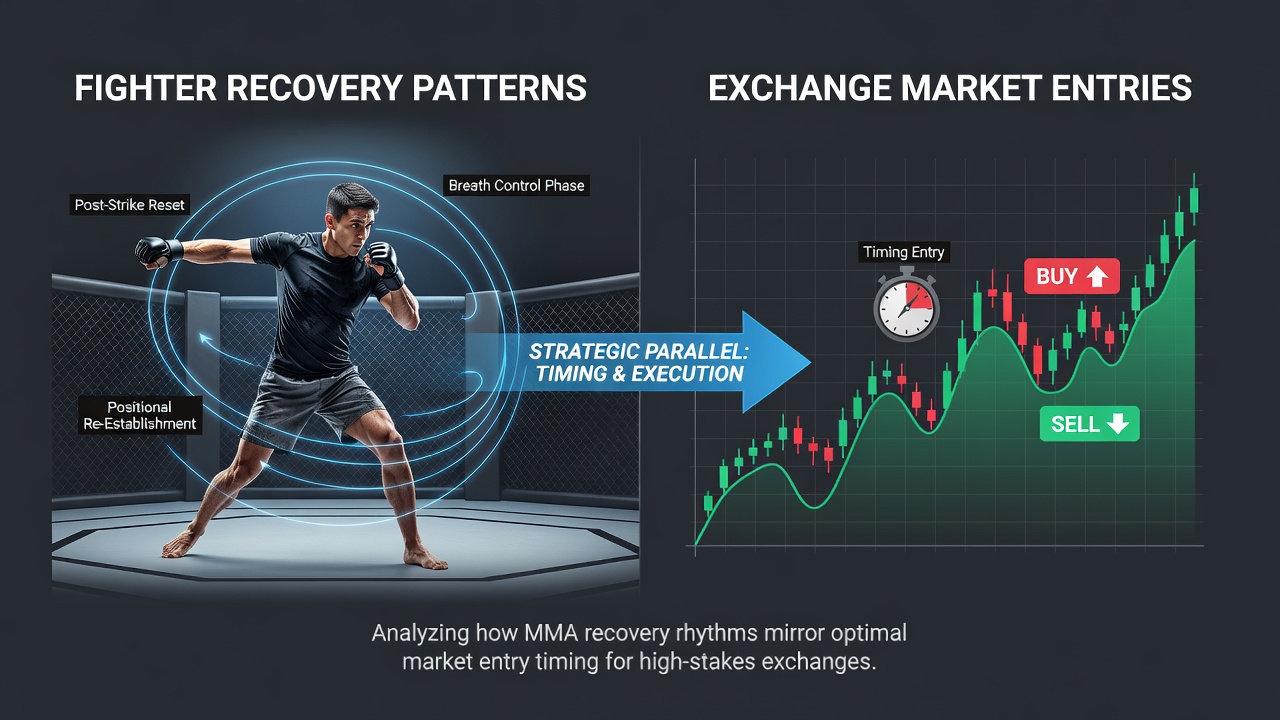
Fighter Recovery Patterns: Informing Strategic Entries in MMA Exchange Markets
Recovery patterns among mixed martial artists provide measurable data points that exchange traders monitor closely when timing market entries, since fighters who return after extended rest periods often show shifts in performance metrics that move live odds. Studies from sports science programs indicate that recovery windows of eight weeks or longer correlate with higher win percentages in subsequent bouts, particularly when combined with injury history and age factors.
Defining Recovery Metrics in MMA Contexts
Observers track several variables including days between fights, medical clearance timelines, and training camp durations, while data from major promotions reveal that fighters averaging under six weeks of recovery experience elevated knockout risk in follow-up matches. Those patterns appear in fight outcome databases maintained by athletic commissions, where analysts cross-reference rest intervals against strike accuracy and takedown defense statistics to identify consistent trends.
Performance Shifts After Rest Periods
Research conducted at institutions such as the Sports Science Institute demonstrates that extended recovery allows neuromuscular systems to return to baseline levels, which in turn affects how markets price fighters during the opening rounds of exchanges. Traders note that fighters entering bouts after twelve or more weeks off frequently open at shorter odds than their recent form might suggest, creating entry opportunities when public sentiment overvalues the layoff advantage.
August 2026 schedules include several high-profile cards where multiple athletes return from injury-related absences exceeding four months, and preliminary data from training camp reports show measurable improvements in sparring output metrics during those extended periods. Exchange platforms adjust liquidity accordingly as volume increases around these specific matchups.
Market Entry Timing Based on Recovery Data
Traders who monitor recovery statistics often wait for line movements triggered by late camp updates or weigh-in disclosures, since those announcements frequently precede sharp adjustments in live markets. Evidence from past events shows that fighters with documented longer recovery windows tend to outperform market expectations in the first two rounds, prompting scalping strategies that capitalize on overreactions during pre-fight trading windows.
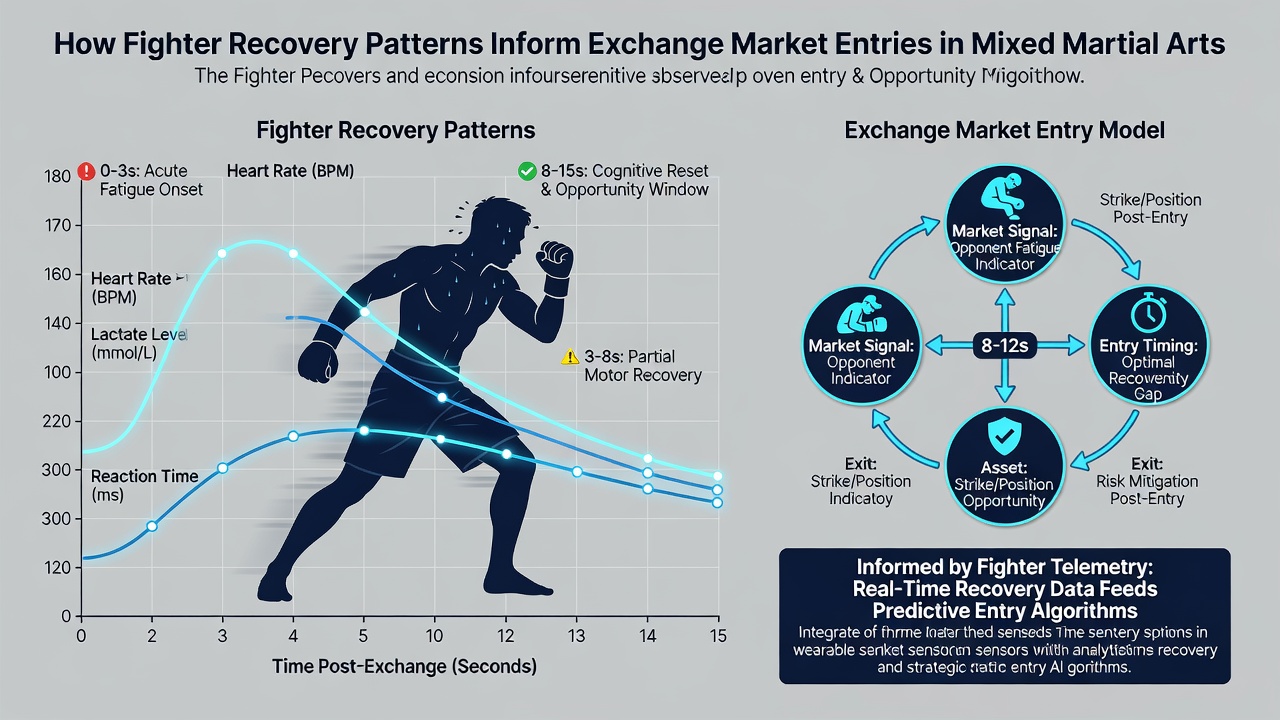
One analysis of UFC events between 2023 and 2025 found that athletes returning after 90-plus days posted a 62 percent win rate when matched against opponents with shorter rest, yet exchange prices rarely reflected that differential until midway through the first round. This lag creates windows where informed entries on underdogs or overs can yield positive expected value before public betting catches up.
Integrating Recovery Data with Exchange Tools
Software platforms used by exchange participants incorporate recovery timelines alongside strike volume and grappling efficiency ratings, allowing users to filter markets by rest differentials. Those who apply these filters report more consistent positioning ahead of volume spikes that occur when injury reports surface close to fight week. Regulatory filings from bodies such as the Australian Gambling Regulatory Authority confirm rising participation in MMA-related exchange activity during periods with clustered return-from-injury matchups.
Patterns also emerge when fighters transition between weight classes after longer layoffs, since the added recovery time sometimes coincides with improved strength metrics that alter how markets assess grappling exchanges. Observers note these shifts through comparative data sets that track performance before and after the weight move.
Conclusion
Recovery pattern analysis supplies exchange participants with structured inputs for timing entries, since historical outcome data and physiological indicators combine to highlight discrepancies between public perception and measurable fighter readiness. As 2026 schedules progress, continued collection of rest-related statistics will likely refine these approaches further across major MMA markets.