Charting Uncharted Waters: How Resource Libraries and Stat Trackers Refine Precision Plays Across Global Exchange Markets
Ben Schwarz · Aug 8, 2026
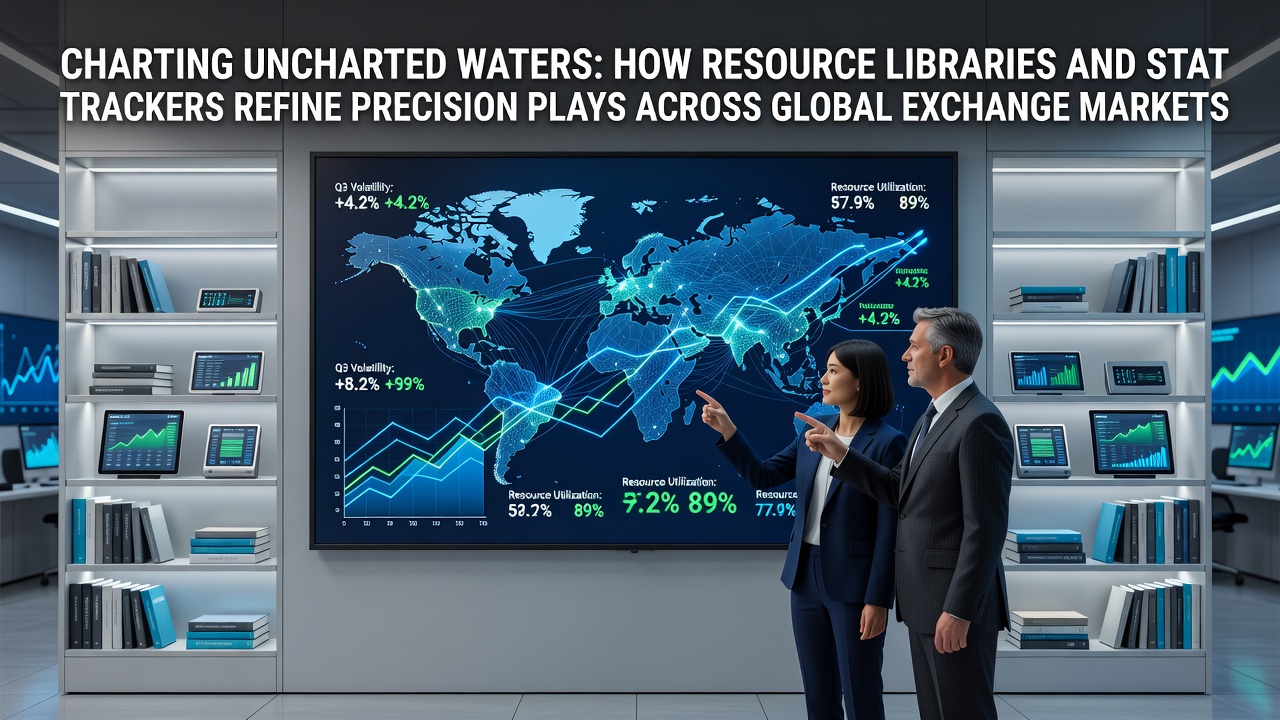
Charting Uncharted Waters: How Resource Libraries and Stat Trackers Refine Precision Plays Across Global Exchange Markets
Global exchange markets continue to expand in 2026 as participants seek structured tools that support detailed analysis across multiple asset classes and event types. Resource libraries compile historical datasets, rulebooks, and platform specifications while stat trackers process live feeds to highlight patterns in volume, volatility, and participant behavior. Observers note that these combined resources allow users to map entry and exit points with greater consistency, particularly when markets operate across time zones and regulatory environments.
Resource Libraries as Foundations for Market Navigation
Resource libraries aggregate archived price movements, settlement records, and regulatory updates into searchable formats that traders consult before committing capital. Platforms maintain sections dedicated to contract specifications, margin requirements, and historical volatility tables so users can cross-reference conditions that match current setups. Data from the Australian Gambling Research Centre indicates that structured access to such archives correlates with reduced error rates in order placement during high-velocity sessions. Participants often load pre-built templates that flag liquidity thresholds and settlement procedures for specific contracts, which reduces the time spent retrieving scattered documents mid-trade.
Updates to these libraries occur regularly, incorporating new contract launches and rule amendments that affect matching engines. In August 2026 several exchanges introduced revised indexing methods for certain multi-leg products, prompting immediate additions to library entries that detail payout formulas and dispute resolution steps. Those who maintain personal annotations within the shared resources report faster recall when similar conditions recur across different regions.
Stat Trackers and Real-Time Pattern Detection
Stat trackers pull continuous streams from exchange APIs and overlay custom metrics such as implied probability shifts, order-book imbalance ratios, and time-weighted average price deviations. Users configure alerts that trigger when tracked variables breach thresholds established from prior sessions, allowing rapid position adjustments without constant manual monitoring. Research compiled by the Responsible Gambling Council of Canada shows measurable improvements in decision latency when traders combine live statistical overlays with pre-loaded historical benchmarks.
Algorithms within these trackers can segment data by session type, identifying periods when certain instruments exhibit tighter spreads or elevated cancellation rates. Traders apply filters that isolate data from comparable past events, such as scheduled economic releases or seasonal fixtures, to project likely liquidity profiles. The result is a narrowing of acceptable price ranges before orders are submitted, which limits slippage during execution.
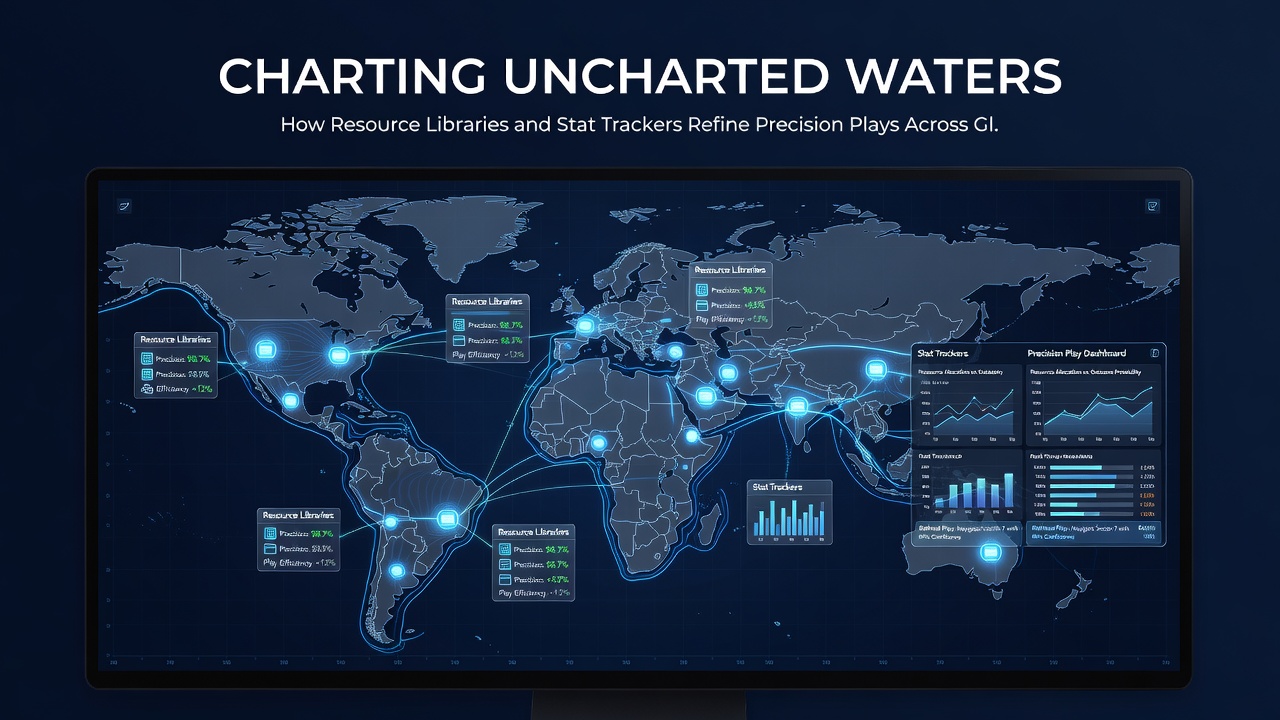
Integration Across International Venues
Exchange operators in Europe, Asia-Pacific, and North America publish distinct data formats, yet resource libraries now include mapping tools that normalize fields for cross-platform comparison. A single dashboard can display normalized volatility scores drawn from both European derivatives venues and Australian sports-focused exchanges, enabling participants to allocate capital where statistical edges align. Observers point out that this harmonization reduces the cognitive load of switching between interfaces during overlapping trading hours.
Stat trackers further support multi-venue strategies by calculating correlation coefficients between instruments traded on separate platforms. When one market shows an outlier movement, the tracker flags linked contracts elsewhere that may follow with a measurable lag. This capability proves especially useful during periods of overlapping economic calendars, where information released in one region influences pricing in another.
Refining Execution Through Layered Data
Precision plays emerge when traders layer library references with tracker outputs to define exact order parameters. For instance, a user might consult archived settlement data for a given contract, then apply current tracker readings on order-book depth to determine the maximum size that can be executed without moving the market. Multiple exchanges have documented reductions in partial fills after participants adopted these layered checks, according to aggregated platform statistics released in mid-2026.
Automated scripts increasingly pull from both libraries and trackers to generate suggested order tickets that users review before confirmation. These scripts incorporate constraints such as maximum daily exposure and venue-specific fee schedules, ensuring that proposed trades remain within pre-defined risk envelopes. The approach maintains human oversight while accelerating the translation of analysis into executable actions.
Conclusion
Resource libraries and stat trackers together supply the structured information and live analytics that support consistent decision-making across global exchange markets. Continued refinement of these tools, including improved normalization standards and alert customization, sustains their role in helping participants identify and act on precise opportunities wherever venues operate. As data volumes grow, the emphasis remains on accessible formats that integrate historical context with real-time signals to guide execution.